Yes, verbal consent can be valid.
But when you rely on consent, you must be able to demonstrate that it was given and what it covers. The format is not the deciding factor – the content and documentation are.
Source: Danish Data Protection Agency guidance on consent, section 2.2.
An easy yes can be hard to find later
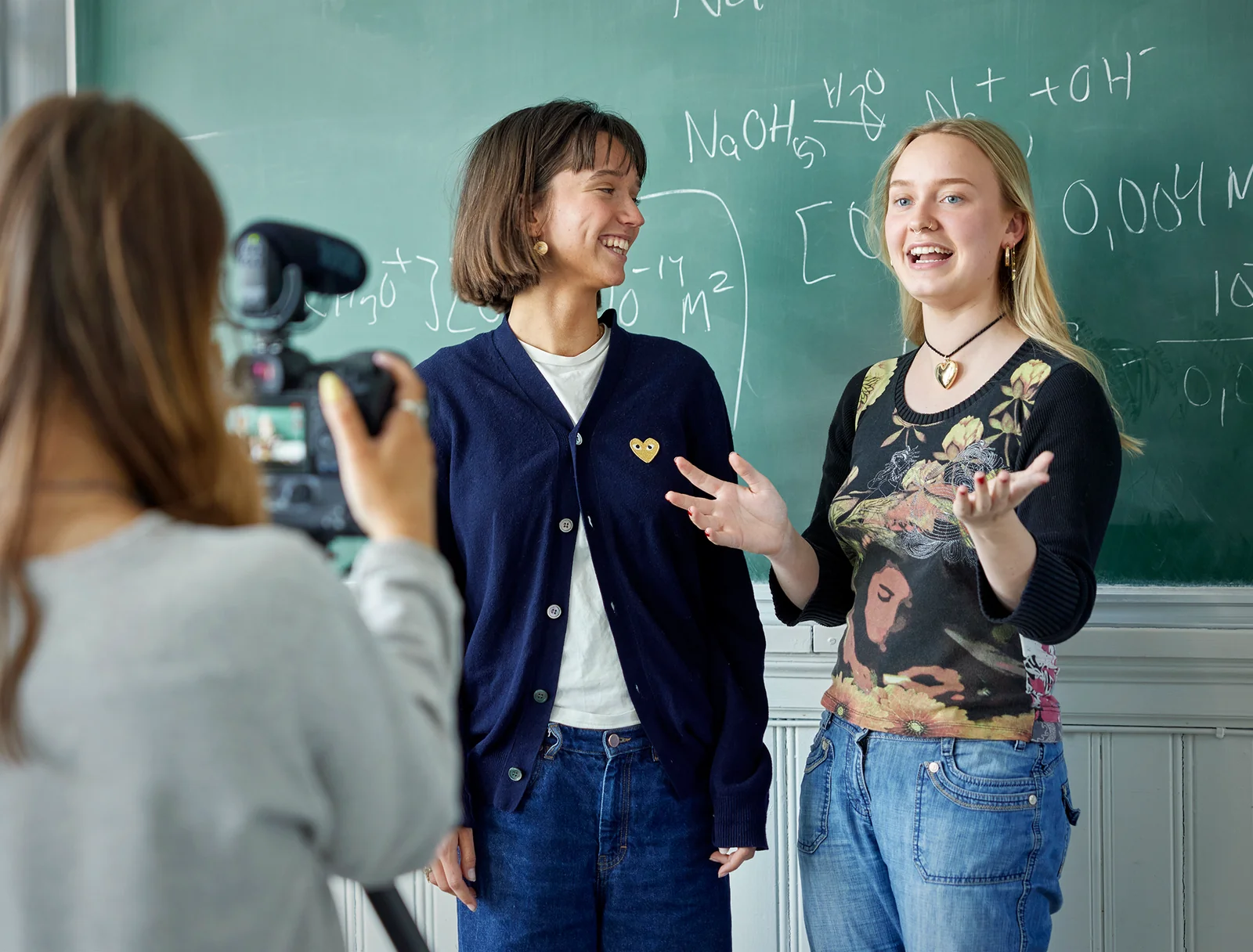
The photographer asks, the person says yes, and the shoot continues. At the time, it seems like the simplest solution.
The challenge often comes later. A colleague wants to reuse the photo, the photographer has moved on to another project, and nobody remembers the exact agreement.
From the school website to a new campaign
A student agrees to a portrait for the school website. Six months later, the communications team wants to use it in a social media advertisement. Whether this new use is covered depends on the scope of the original consent.
A shared workflow makes it easier to answer the question: What can we document, and what do we need to clarify before using the material?
From a yes to records you can use
Consent must be freely given, specific, informed and unambiguous. The person must understand the purpose and know that consent can be withdrawn. A nod or a smile does not automatically authorise every subsequent use.
Read about the requirements in the Danish Data Protection Agency’s consent guidance.
Make four answers easy to find
- Who agreed?Find the consent record for the person featured.
- What did they agree to?Check the purpose, channels and information they received.
- When was consent given?Keep the agreement connected to the specific project.
- Can the material still be used?Check agreed restrictions and any withdrawal before reuse.
This is a practical reminder, not an exhaustive legal checklist. Always start by assessing which legal basis fits the situation; consent is not required in every case.
When do you need to collect consent? →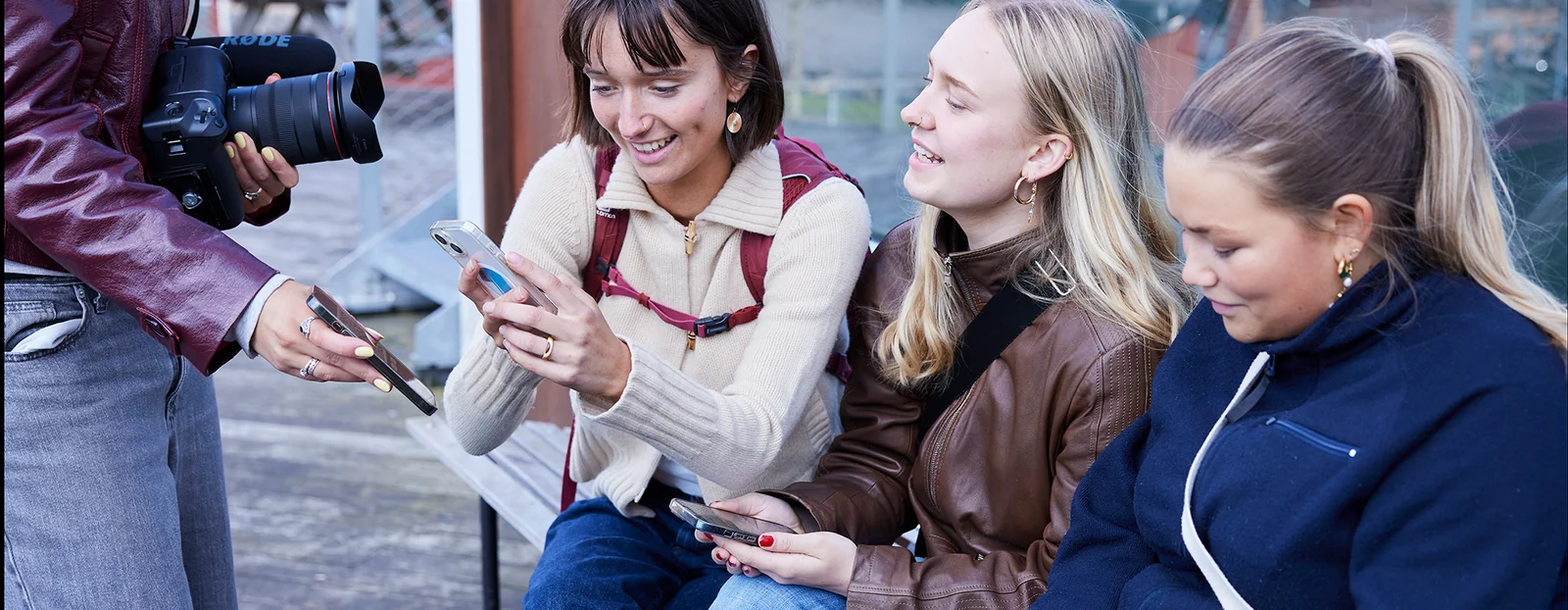
A simple process – even after the shoot
A digital form can provide a consistent way to present information and record responses. This reduces the need to search emails, paperwork and colleagues’ memories.
With PhotoConsent, you can share a form via a link or QR code and keep consents together, making the records easier to manage and retrieve.
The tool supports your workflow. You still need to ensure that the wording, choices and actual use of the images fit the situation.
Is your consent process working for you?
Get a short review of your current setup and see where you could save time and simplify documentation.
Get a free consent checkSee how PhotoConsent works →Adapted from PhotoConsent’s LinkedIn article dated 8 April 2025. General information, not legal advice on specific circumstances.
Read more: How Learnmark Horsens works with digital consent.