Consent is not always the right legal basis.
First clarify why you are taking the photos and how they will be used. The Danish Data Protection Agency notes that schools can often use images for legitimate school purposes without consent. A promotional video and documentation of teaching are not necessarily the same situation.
Source: Danish Data Protection Agency: May schools take photos without consent? The assessment must fit your institution and the specific use.
When you choose consent, the choice must be genuine
Consent must be freely given, specific, informed and unambiguous. The student must also be able to withdraw it.
Create an environment where it feels safe to say no. Avoid making participation in a photo shoot feel like a teacher’s requirement or a condition of belonging to the group.
A portrait for a recruitment campaign
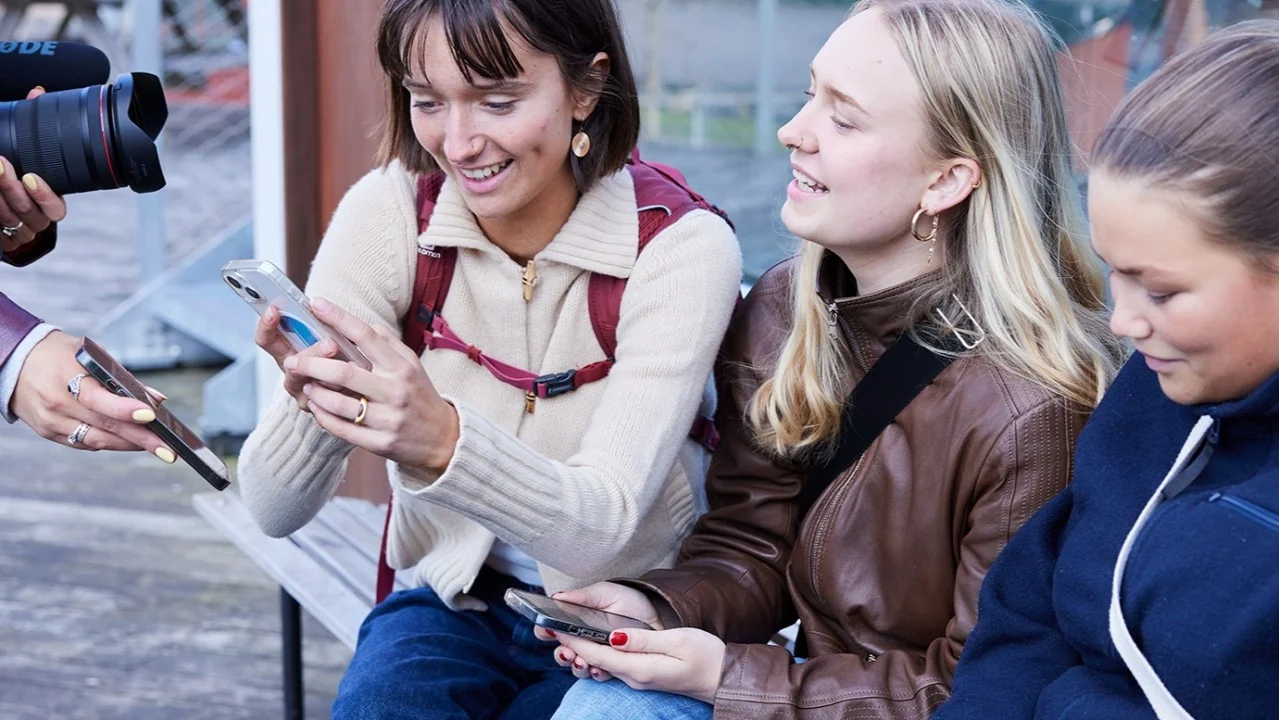
The communications team invites students to appear in a video about their course. Before filming, explain the intended channels, who is responsible and how to contact you. Allow time for questions and room to decline.
Consent may be verbal, written or digital, but you must be able to document it and its scope. A casual nod in front of the camera is not automatically evidence of an informed yes to every use.
Make information easy to understand and find again
Use plain language rather than broad wording such as “photos for school use”. For example, cover these four points:
- Who is responsible?Clearly identify the institution and its contact details.
- What will the material be used for?Describe the purpose and relevant channels, such as the website, social media or advertising.
- What does the agreement cover?Make clear whether it covers photos, video or both, and which restrictions apply.
- How can the person get help?Show where to find information about rights and how to contact you to withdraw consent.
This list is a practical starting point, not a complete privacy notice. Give students access to the information after the shoot, for example through a copy or a clearly worded email.
Is the student under 18?
Assess whether the child or young person is mature enough to give consent independently or whether the holder of parental responsibility needs to be involved. Do not apply an age threshold from online-service rules as a blanket rule for all photo shoots.
Source: Danish Data Protection Agency information on schools and childcare.
A shared workflow makes daily work easier
The problem often arises after the shoot: one colleague has the forms, another has the photos and a third needs them for a new campaign.
Agree who prepares the form, who collects consent and where the team can find the records. Check the scope of the agreement before using the material in a new context.
PhotoConsent can help you share consent forms via links or QR codes and collect the records digitally. It provides one place to manage and retrieve consent, while you remain responsible for the content and specific use.
How Learnmark Horsens works with digital consent →Make agreements easy to manage
Get a short review of your process for photos and video – and see where PhotoConsent could simplify documentation.
Get a free consent checkExplore plans for schools and educational institutions →Adapted from PhotoConsent’s LinkedIn article dated 29 April 2025. General information, not legal advice on specific circumstances.